
Comment le Mercedes-Benz GLC 2027 transforme le trafic en chaleur gratuite
26 décembre 2025,
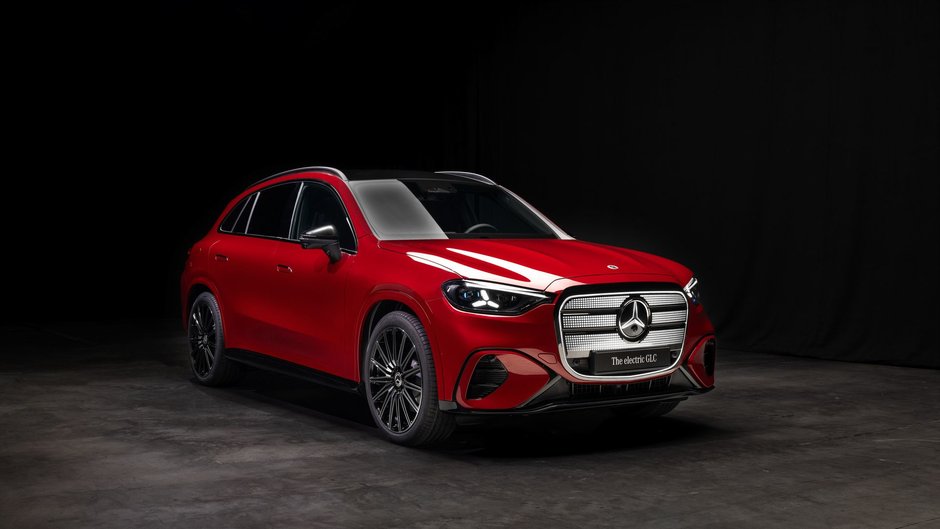
The 2027 Mercedes-Benz GLC introduces an intelligent multi-source heat pump system that transforms waste heat from electric motors and battery into cabin warmth—without consuming extra energy from your range. This technology addresses one of the most common concerns about electric vehicles in Quebec: maintaining comfort during cold winters while preserving driving range.
Capturing Energy That Would Otherwise Be Lost
Every electric vehicle generates heat during operation. Motors produce thermal energy when converting electricity into motion. Batteries warm up during charging and discharging cycles. Traditionally, this heat simply dissipates into the atmosphere. The 2027 GLC's multi-source heat pump captures this energy and redirects it inside your cabin.
The system draws from three sources simultaneously: waste heat from the electric drive unit, thermal energy from the high-voltage battery, and ambient air. During stop-and-go traffic on Highway 15 or Boulevard des Laurentides, when your motors cycle between acceleration and regenerative braking, the heat pump harvests this thermal byproduct. Instead of running a conventional electric heater that pulls directly from your battery's driving range, the system recycles energy already present in the vehicle.
This approach uses approximately one-third of the electrical energy that a comparable auxiliary heater would require for the same heating output. For drivers navigating Laval's winter commutes, this translates to more kilometres available between charging sessions.
How Multi-Source Technology Works in Real Driving Conditions
When you start your GLC on a cold morning, the system immediately begins drawing from available heat sources. If your battery is warm from overnight charging, it extracts thermal energy from the battery cooling circuit. As you drive, the electric motors generate additional heat that feeds into the system.
The intelligent thermal management integrates with Navigation with Electric Intelligence. When you program a route that includes a DC fast charging stop, the system automatically preconditions your battery during the drive. This means your battery reaches optimal temperature for fast charging exactly when you arrive at the charging station—without sacrificing cabin comfort. The heat pump maintains interior warmth even during fast charging sessions.
During highway driving, when motors operate continuously, the system captures steady waste heat. In city traffic, where frequent stops and starts generate heat spikes from regenerative braking, the pump adapts its draw accordingly. This dynamic response ensures consistent cabin temperature regardless of driving patterns.
Efficiency That Extends Beyond Winter Heating

The same heat pump that keeps you warm in January also cools your cabin in July. The system's refrigerant circuit reverses to extract heat from the interior and expel it outside. This dual functionality means one integrated component handles year-round climate control, reducing overall system complexity and weight.
The efficiency gains compound during typical Quebec driving. Consider a winter commute from Laval to downtown Montreal: conventional electric heating might consume 3-5 kW continuously to maintain 22°C cabin temperature. The multi-source heat pump reduces this draw to approximately 1-1.5 kW by leveraging waste heat. Over a 30-kilometre round trip, this difference preserves several kilometres of driving range.
The system also optimizes charging performance. Cold batteries accept charge more slowly and deliver reduced range. By maintaining battery temperature within ideal operating parameters, the heat pump ensures your GLC charges at maximum speed and delivers consistent range year-round. This becomes particularly valuable during Quebec's temperature swings, when overnight lows can drop 15-20 degrees below daytime highs.
Proven Technology for Quebec Winters
Mercedes-Benz engineers tested the electric GLC's thermal management system in extreme conditions, including sustained operation at temperatures as low as -20°C. The multi-source heat pump maintained cabin comfort while preserving range, demonstrating that electric vehicles can deliver both luxury and practicality throughout Canadian winters.
The 2027 Mercedes-Benz GLC demonstrates how thoughtful engineering transforms electric vehicle ownership in Quebec's climate. The multi-source heat pump system addresses real-world concerns about winter range and comfort through practical, proven technology.